PIETRO PANZA
Artistic profile
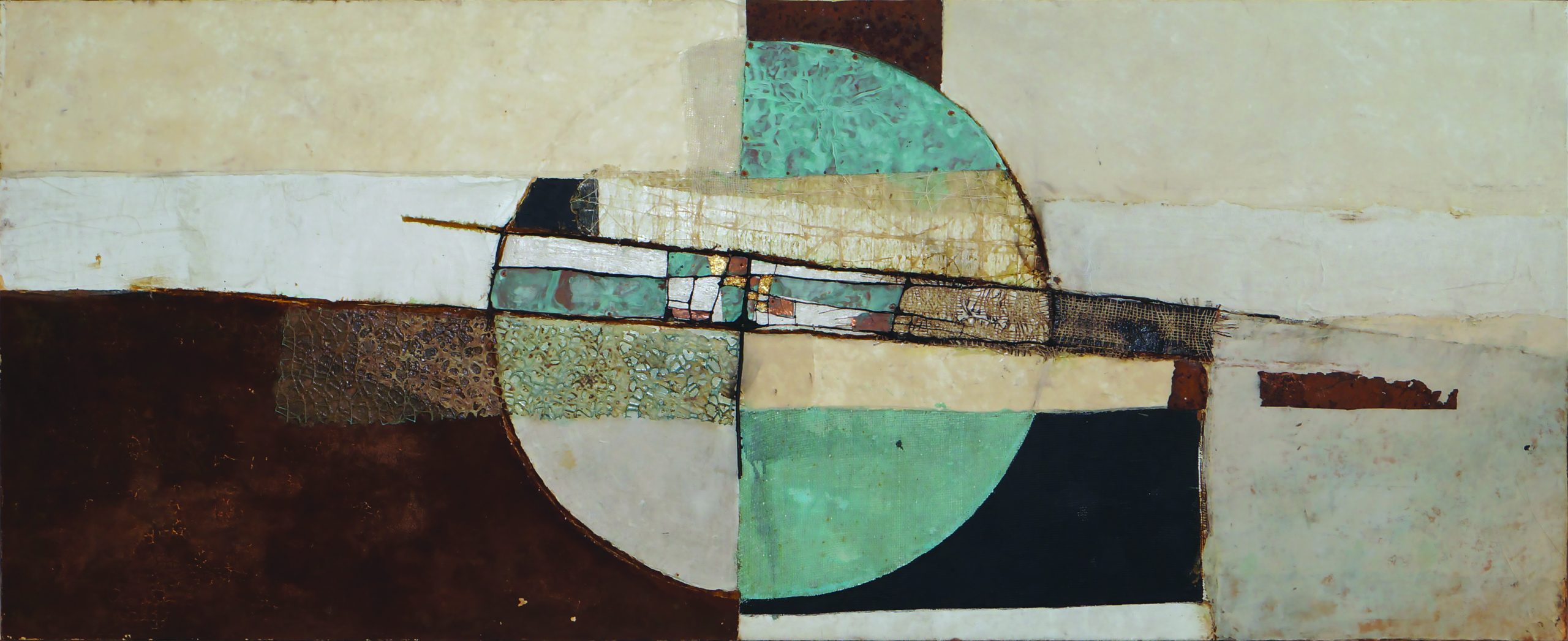
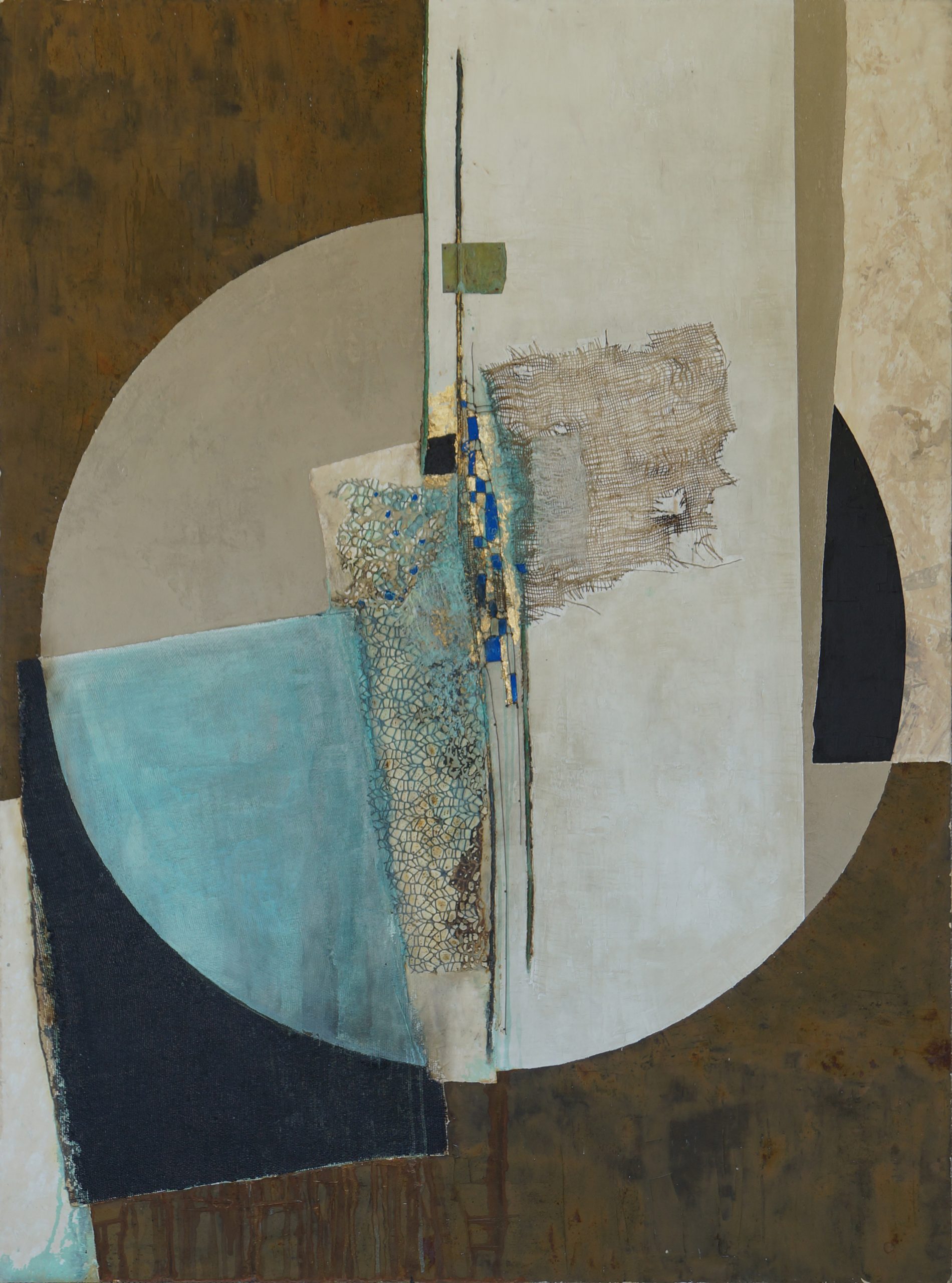
Since his first artistic project (Abitare la Terra – 2022), Pietro Panza establishes a research placed in a personal stream of consciousness, in which to follow a narrative of a philosophical nature. Self-taught from an intimate unconscious of echoes of the 20th century, he experiments with a dialogue between painting and sculpture in a complex material bond. From his sign the roots of an interior landscape emerge, intended for the perception of life.
February 2024
Curator Claudia D’Angelo
Ever since his first artistic project, Pietro Panza has established a confrontation with the environment, understood also as a formal, political, historical, and social process. In “Abitare la Terra: dall’Antropocene al Tecnocene” (Inhabiting the Earth: From the Anthropocene to the Technocene), he reflects on how overcoming the “ecological crisis” lies both outside and within us—an archetype as clear and complex as nature and art themselves. In his works, he experiments with the relationship between art, nature, and technique within a “Planetary Terra Incognita,” with which we must reconceptualize ourselves also from an ethical-anthropological perspective. This research places the Artist in a personal stream of consciousness, through which he expresses a philosophical narrative.
From a text by Panza: “In this era of the late Anthropocene, it is necessary for homo fictus to imagine and understand how deeply culture and nature are inextricably intertwined. We cannot limit ourselves to viewing ourselves from the outside, but rather from within, as a body. Just like that strange behavior of plants where everything is porous, where everything is in everything.” The artist expresses a narrative process outside the self, moving beyond the current paradigm to prevent a collapse. This is evident in works like “Tramateria,” a project aimed at recognizing a sensitive value between aesthetics, ecology, and biodiversity. His roots lie within a cosmic breath, in the matter that scratches, and in the images, symbols, and archetypes that express the failure of the modernization process—conceived as the replacement of nature with techno-nature. This drive is so profound and pervasive that “technique itself” becomes the new subject of history.
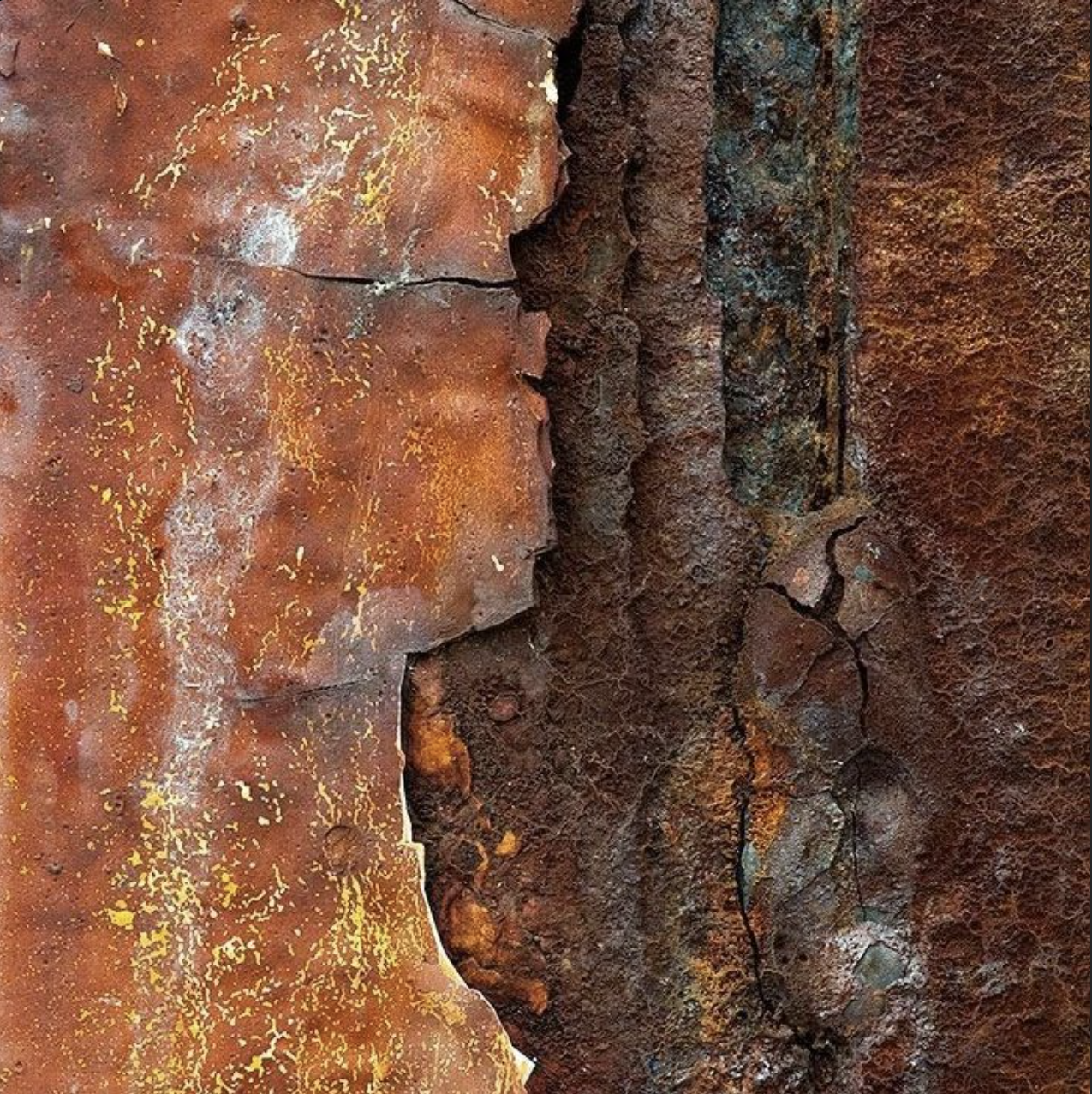
Self-taught and driven by an intimate subconscious echoing the 20th century, he experiences a bond between painting and sculpture within a complex, material language. In his poetics, he feels the need to encounter the vitality of black, trees in rust, a copper sky bounded by grays, and the redness of solitude.
Curator Claudia D’Angelo